

Water intrusion in basements is a typical concern for property owners, often leading to serious damage if left neglected. With factors such as significant rainfall, melting snow, and groundwater, basements are particularly susceptible to leaks and moisture buildup, which can result in expensive repairs and threaten the structural integrity of your home. Understanding the necessity of basement waterproofing is crucial, not just for preventing water damage, but also for enhancing your home's complete value and health.
In this guide, we will discuss five new solutions for basement waterproofing that every homeowner should think about. From sophisticated drainage systems to state-of-the-art materials, these methods promise to safeguard your space against undesired moisture and mold growth. Whether you are dealing with an existing home or planning to waterproof new construction, keeping updated about the latest techniques can help you make the most informed decisions for your property. Let's explore these solutions to keep your basement dry and your home protected.
Understanding Basement Waterproofing
Cellar waterproofing refers to the strategies and systems utilized to prevent moisture from entering a basement, ensuring that this crucial part of a house remains dry and secure. Water infiltration can lead to a variety of problems, such as construction damage, fungus growth, and decreased air quality. Property owners must understand that efficient waterproofing not only protects their belongings but also improves the overall longevity and worth of their home.
There are two main methods to basement waterproofing: inside and outside options. Inside waterproofing generally involves using sealants and insulation, along with systems like sump pumps that manage any seepage. Exterior waterproofing, on the other hand, concentrates on stopping water from accessing the foundation through landscape grading, drainage systems, and waterproof membranes. Comprehending the differences between these approaches is critical for homeowners dealing with water issues in their cellars.
The significance of basement waterproofing extends further than mere prevention of water damage. A carefully managed waterproofing system can contribute significantly to improved indoor air quality by lowering humidity and stopping mold growth. Additionally, investing in waterproofing can bring long-term financial benefits, including protecting the home's base and increasing its selling value. By recognizing the need for effective waterproofing, property owners can take proactive steps to protect their properties.
Reviewing Waterproofing Options
As you looking into basement waterproofing, it’s crucial to assess multiple solutions based on your individual needs and the unique characteristics of your home. Understanding the most common causes of basement leaks will guide you in choosing the appropriate method, whether you are addressing drainage issues, resolving foundation cracks, or putting in a sump pump. Each solution must suit the overall condition of your basement and the type of water intrusion you are experiencing.
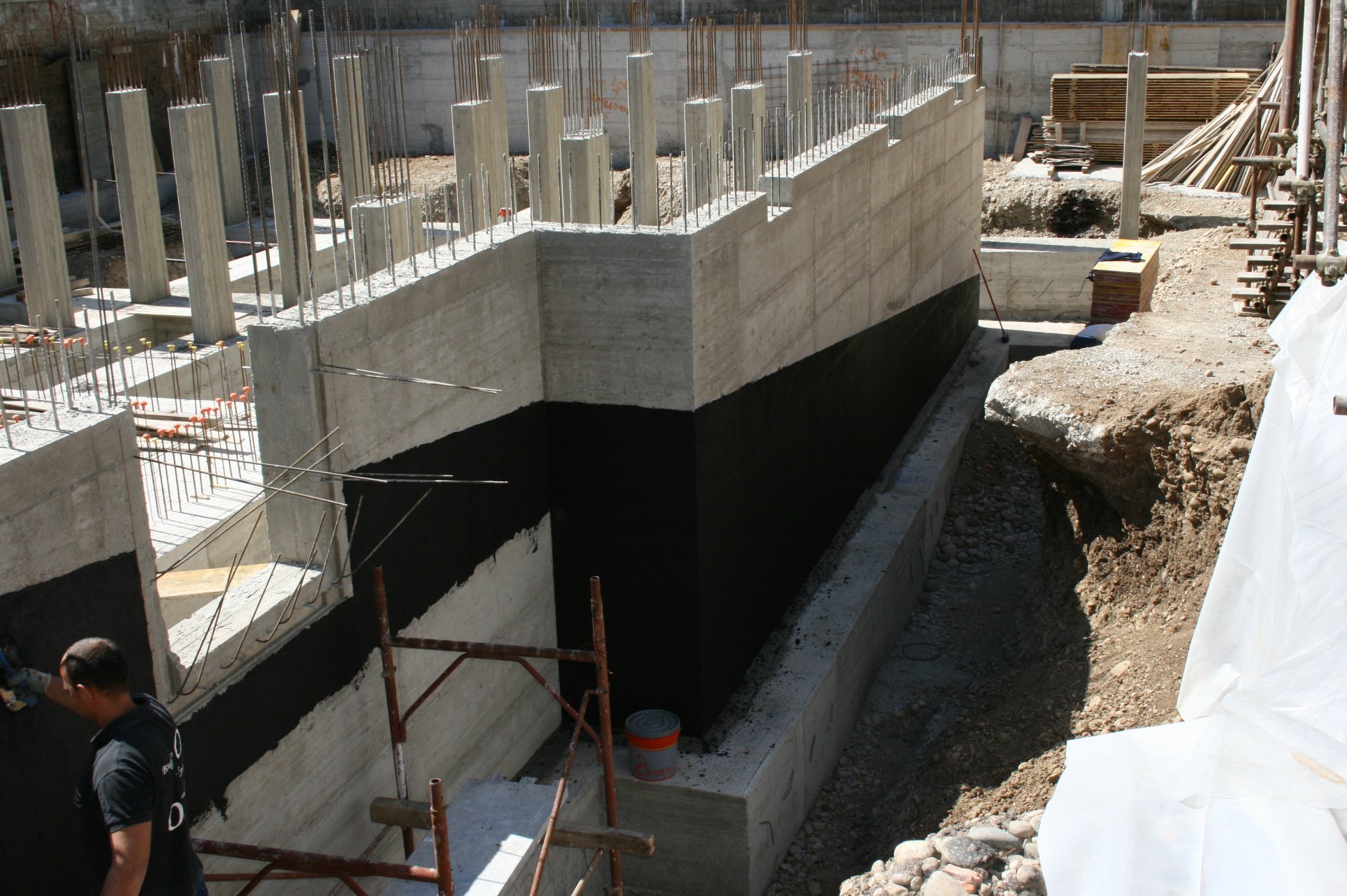
Interior waterproofing options often concentrate on managing moisture from the inside out. Approaches such as sealants and coatings, drainage systems, and vapor barriers can effectively reduce humidity and prevent mold growth. In contrast, exterior waterproofing solutions primarily combat water before it reaches the foundation. Installing Hop over to this website or exterior coatings can drive away water away from your home and is particularly helpful for older homes that may have settled over time, causing cracks and leaks.
Cost is an crucial factor when assessing these solutions. Understanding the cost of basement waterproofing and how it affects your property's value can help you make a prudent investment. Whether you decide to hire a contractor or try DIY basement waterproofing, be sure to include both initial expenses and long-term maintenance. Focus on solutions that not only tackle the immediate issue but also improve the overall health and longevity of your home.
Upkeep and Protection Strategies
Routine upkeep is essential to making sure your basement waterproofing system stays effective over time. Start by regularly inspecting your basement for signs of signs of moisture or water damage, such as stains on walls and floors. Monitor any areas where water might enter, such as cracks in the foundation or around windows. A proactive approach lets you to address minor issues before they escalate into more significant problems that may necessitate costly repairs.
Furthermore, investing in periodic professional inspections can provide peace of mind. A qualified contractor can evaluate your waterproofing system and identify possible weak points. This is especially important for older homes, where the integrity of the waterproofing may deteriorate over time. Regularly servicing sump pumps and drainage systems will also enhance their performance, ensuring they function effectively during heavy rains or flooding.
In conclusion, preventive measures such as proper landscaping play a vital role in basement waterproofing. Ensure that soil inclines away from your home to direct water away from the foundation. Installing gutters and downspouts can also help manage water runoff effectively. By combining regular maintenance with thoughtful prevention methods, you can significantly reduce the risk of water infiltration and keep a dry, healthy basement.