

The fast advancement of artificial intelligence has ushered in a modern era of customized technology, exemplified by the emergence of artificial intelligence agents. Such independent entities are designed to execute a broad range of tasks, streamlining processes and boosting user experiences throughout multiple sectors. As people and organizations increasingly seek specific solutions to their specific needs, comprehending what AI agents are and how they work becomes crucial for individuals looking to remain at the forefront in the current swift digital environment.
In this post, we will examine the transformative impact of AI agents on contemporary businesses, differentiating them with traditional AI chatbots, and highlighting their ability in simplifying routine tasks. From boosting customer service and support to transforming software development and project management, AI agents are set to redefine productivity and efficiency. Whether you are a modest business owner or part of a large corporation, this guide will offer valuable insights into leveraging the full potential of AI agents and bracing for a future where technology is effortlessly integrated into our daily operations.
Grasping Artificial Intelligence Programs
Artificial Intelligence agents are complex computer applications developed to perform tasks on their own, often replicating people's decision making processes. They use different technologies, including ML and NLP, to engage with individuals and handle information successfully. Knowledge AI Agents of AI programs is to boost output and support tailored experiences by modifying to unique customer requirements and preferences.
The development of Artificial Intelligence agents marks a major shift in how technology connects with companies and consumers. Unlike conventional software that depends heavily on user input, Artificial Intelligence automated systems function on their own, gaining knowledge from information and customer input to make smart decisions. This capability allows them to execute repetitive tasks, provide recommendations, and boost effectiveness, which is crucial in the modern quick world.
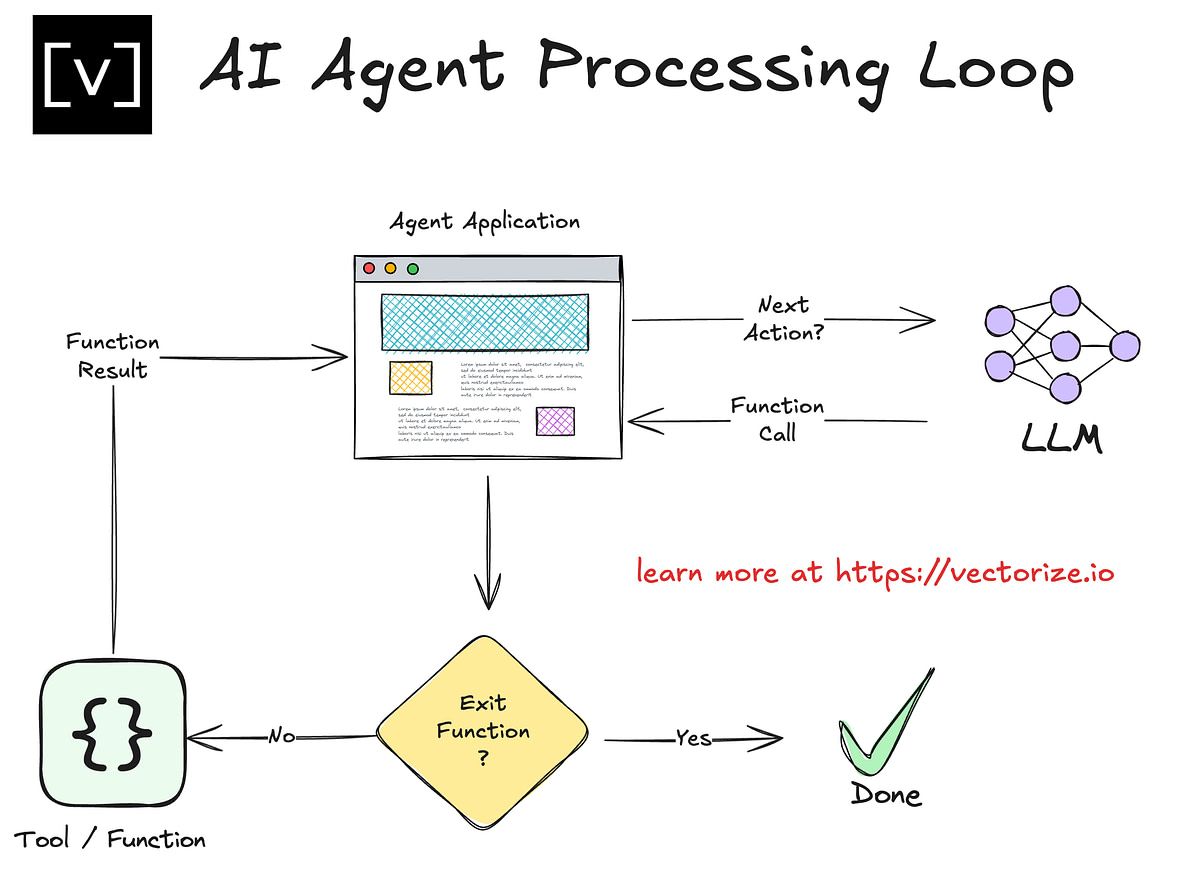
As Artificial Intelligence agents continue to develop, they are turning into integral to various sectors, changing how businesses work and interact with their users. From streamlining processes to improving user help, the function of AI agents is expanding swiftly. Grasping their job and potential effect is important for companies looking to leverage technological advancements for development and innovation.
Artificial Intelligence Agents in Business Change
AI agents are fundamentally changing how businesses operate by streamlining processes and enhancing decision-making. These intelligent systems analyze data in real time, allowing organizations to respond quickly to market changes. This flexibility not only helps companies stay relevant but also fosters innovation by enabling workgroups to focus on key initiatives rather than routine tasks.
Furthermore, AI agents enhance operational efficiency by streamlining workflows and facilitating communication. They can handle monotonous and tedious tasks such as data entry, planning, and generating reports, which frees up employees to engage in more creative and value-added activities. This transformation leads to increased employee satisfaction and productivity, ultimately driving a business's growth and profitability.
As AI agents evolve further, their integration with existing corporate systems becomes increasingly smooth. Companies that adopt these technologies can expect not only improved performance but also higher customer satisfaction. By leveraging AI agents, organizations can create personalized experiences for their customers, anticipating needs and delivering custom solutions that result in long-term loyalty and engagement.
Emerging Trends and Best Practices
As artificial intelligence systems continue to evolve, several major developments are shaping their prospects. One significant trend is the increasing merging of AI agents with other cutting-edge innovations such as the IoT and blockchain. This convergence will enable AI agents to gather and process vast amounts of data from various origins, leading to more thoughtful choices and improved efficiency in operations. Businesses that adopt these converged technologies early will likely achieve a market advantage.
Another important trend is the growing emphasis on responsible AI usage. As organizations deploy AI agents in more delicate sectors like medical services and finance, maintaining openness, fairness, and accountability becomes crucial. Organizations must ensure their AI agents are programmed to function within moral frameworks, avoiding biases and fostering trust with stakeholders. Effective strategies involve regular audits, establishing clear protocols, and involving varied groups in the creation phase to reduce potential ethical pitfalls.
The demand for customization and individualized experiences in AI agents will also increase. Users expect tailored experiences that suit to their individual preferences and wants. To keep pace, companies should concentrate their efforts on building adaptable AI agents that can learn from user interactions and constantly improve their capabilities. Introducing feedback loops and personalization features will not only improve user satisfaction but also drive increased interaction, ultimately leading to increased productivity and brand devotion.