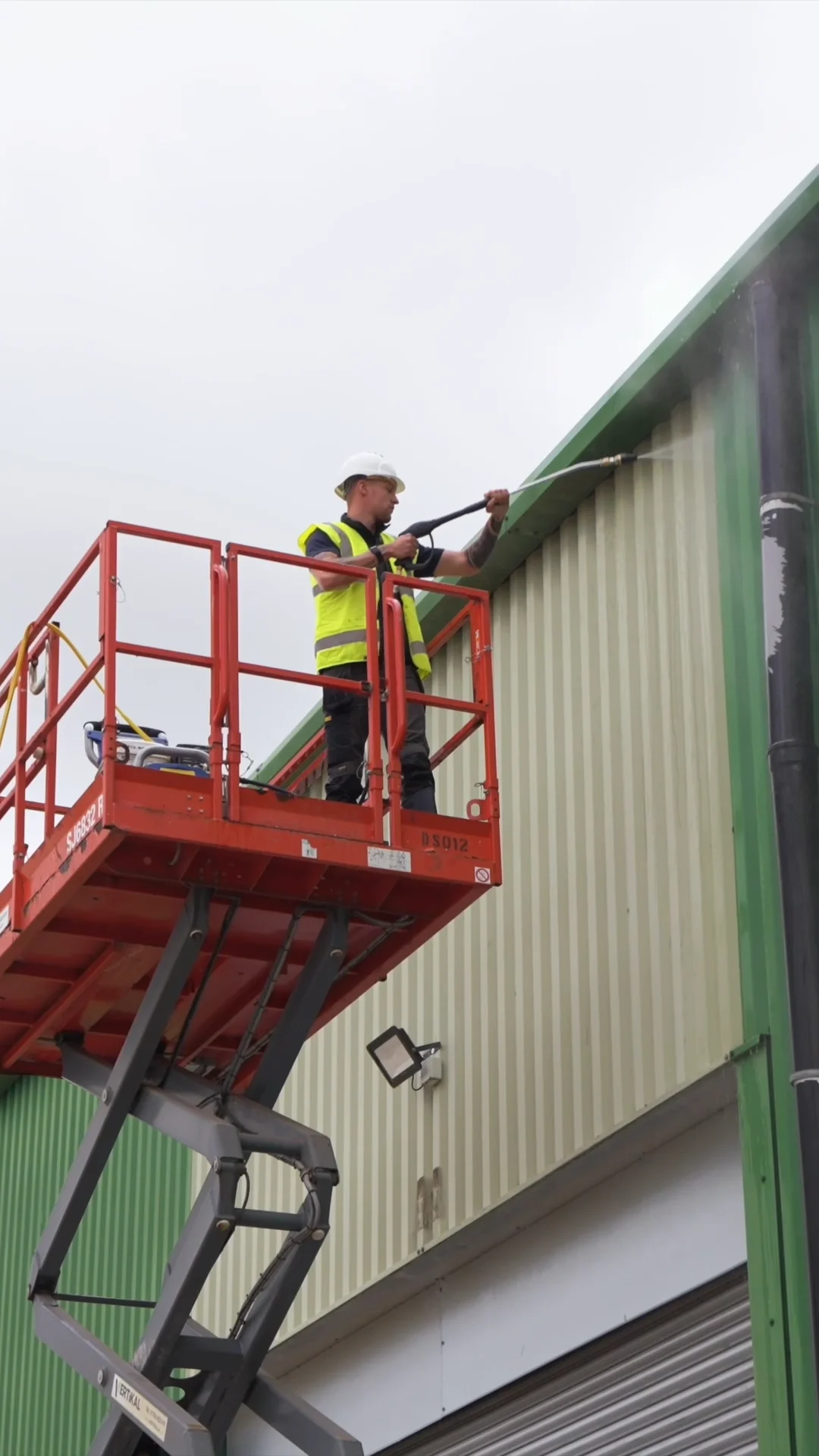
In the dynamic world of business painting, contractors are always seeking ways to boost efficiency, provide flawless finishes, and minimize downtime. As initiatives grow in size and complexity, the advantages of using spray systems become increasingly clear. Check out here facilitates rapid application across extensive surfaces, but it also provides a consistent and smooth finish that brushes and rollers often have trouble to achieve. This approach is transforming how companies approach their painting needs, making it an essential consideration for commercial projects of all scales.
Whether it's a warehouse, an office refurbishment, or a retail space, comprehending the benefits of commercial paint spraying can greatly impact a project's overall success. From the cost savings tied to faster application times to the eco-friendly paint options that meet contemporary sustainability goals, there are countless reasons to choose this method over traditional painting techniques. By exploring the nuances of airless versus HVLP systems, surface preparation techniques, and best practices for safety and ventilation, businesses can make informed choices that lead to remarkable results.
Benefits of Professional Paint Application
Commercial paint application offers numerous benefits that make it a popular technique for large-scale projects. One of the primary benefits is effectiveness. Spraying techniques can paint vast surfaces rapidly, significantly cutting down on the time required to finish a task in contrast to traditional brush or roller techniques. This quickness not only helps to fulfill strict timeframes but also enables businesses to resume operations with minimal disruption, a crucial factor for ongoing business activities.
Another major benefit is the even and smooth coating that spraying techniques provide. With cutting-edge equipment in no air and HVLP (high volume low pressure) technologies, paint is applied consistently, resulting in a high-quality look that enhances the aesthetic appeal of business spaces. This even coverage also ensures that surfaces are better resistant against damage, which is particularly crucial in busy zones like shopping spaces and industrial settings.
Cost-effectiveness is another key factor driving the use of professional paint application. While the upfront cost in spraying equipment may be more than conventional methods, the lower labor costs, shorter project duration, and durable finishes contribute to significant financial benefits. Businesses often discover that the caliber and durability of spray-applied coatings lead to reduced maintenance expenses over time, making it a wise financial choice for big painting projects.
Choosing the Appropriate Spray System
Choosing the proper spray system for commercial painting jobs is crucial for obtaining optimal results. A couple of the most widely used types are airless and HVLP (High Volume Low Pressure) systems. Airless sprayers are perfect for large projects, such as warehouses and factories, due to their capacity to spray a heavier coat of paint efficiently, covering large areas quickly. On the contrary, HVLP sprayers are preferred for finer work, providing accuracy and less overspray, making them well-suited for retail spaces and office refurbishments.
When choosing a spray system, evaluate the specific requirements of the project. For case, if the job involves high ceilings or difficult-to-access areas, high-level commercial paint spraying equipment will be necessary. Additionally, the type of paint being used and the surface being sprayed will affect the choice of equipment. Using the appropriate technique and using specialized tools can substantially improve finish quality and efficiency.
In conclusion, it's important to consult with experienced contractors who understand the nuances of various spray systems. They can assist you in making an informed decision that corresponds with your project's needs, ensuring both time efficiency and a flawless finish. Proper selection not only boosts the overall aesthetic but also contributes to long-lasting results that last.
Best Practices for Efficient Application
To achieve the optimal results in industrial paint spraying, proper surface preparation is crucial. This involves washing the surfaces completely to eliminate dirt, grease, and existing coatings. Any imperfections such as cracks or holes should be fixed to ensure a even base for the paint. Additionally, putting on a proper primer can enhance adhesion, especially when dealing with problematic materials like metal or plastic. Confirming that the surfaces are clean and free from contaminants will lead to a more uniform finish.
Choosing the right spray system is just as important for a successful application. Contractors must analyze the project requirements and pick between airless or HVLP (high-volume, low-pressure) systems based on the paint type and surface being sprayed. Airless systems generally provide speed and effectiveness for large areas, while HVLP systems deliver detail for fine work. Understanding the client's needs and the environment will direct the decision, ensuring optimal results are obtained.
Lastly, ensuring proper ventilation during the spraying process is critical for both safety and quality. Proper airflow helps to dissipate harmful fumes and improves drying times, which can significantly affect the project schedule. When spraying in enclosed spaces, employing exhaust fans or opening windows will create a healthy environment for workers. Providing for ventilation not only guards health but also contributes to a flawless finish by preventing issues such as overspray or paint sag.