

In fast-paced environment, the surfaces we navigate every day play a crucial role in our daily lives. Whether it be the streets we drive on, the entrances we park in, or the walkways leading to educational institutions and public spaces, the efforts of surfacing specialists often goes unrecognized until there’s a concern. Surfacing contractors are experts in creating and maintaining these important installations, ensuring they are secure, resilient, and aesthetically pleasing. With Road Resurfacing of offerings offered, their skills can make a considerable difference in how efficiently these surfaces function over time.
Choosing the most suitable surfacing contractor is paramount for any project, whether it involves private driveways, business parking lots, or big industrial surfaces. The array of surfacing options can be daunting, with selections like asphalt to concrete or tarmac, and various considerations for upkeep and durability. In this write-up, we will explore the diverse realm of surfacing contracting, discussing important services they offer, the factors influencing project costs, and important information to assist you navigate your surfacing needs efficiently. Whether you are a homeowner looking to redo your driveway or a organization planning a fresh parking lot, grasping the details of surfacing projects will empower you to decide on knowledgeable decisions.
Essential Solutions of Paving Contractors
Paving contractors provide a wide range of critical offerings that cater to both home and commercial clients. Among their primary capabilities are surface installations for roadways, highways, and car parks. They help produce resilient surfaces that resist routine stress, ensuring security and usability in high-traffic areas. Additionally, these professionals specialize in different materials, including bitumen, mortar, and tar, allowing them to customize solutions according to particular project needs.
In addition to recent installations, surfacing contractors also handle service and fixing services. This entails mending damaged spots, fissures, and routine wear that can damage the strength of a pavement. Consistent maintenance is vital for prolonging the longevity of any surfacing task, ensuring areas remain protected and pleasing to the eye. Contractors also offer striping and finalizing services, which improve efficiency and organization, particularly in commercial settings like parking lots and warehouses.
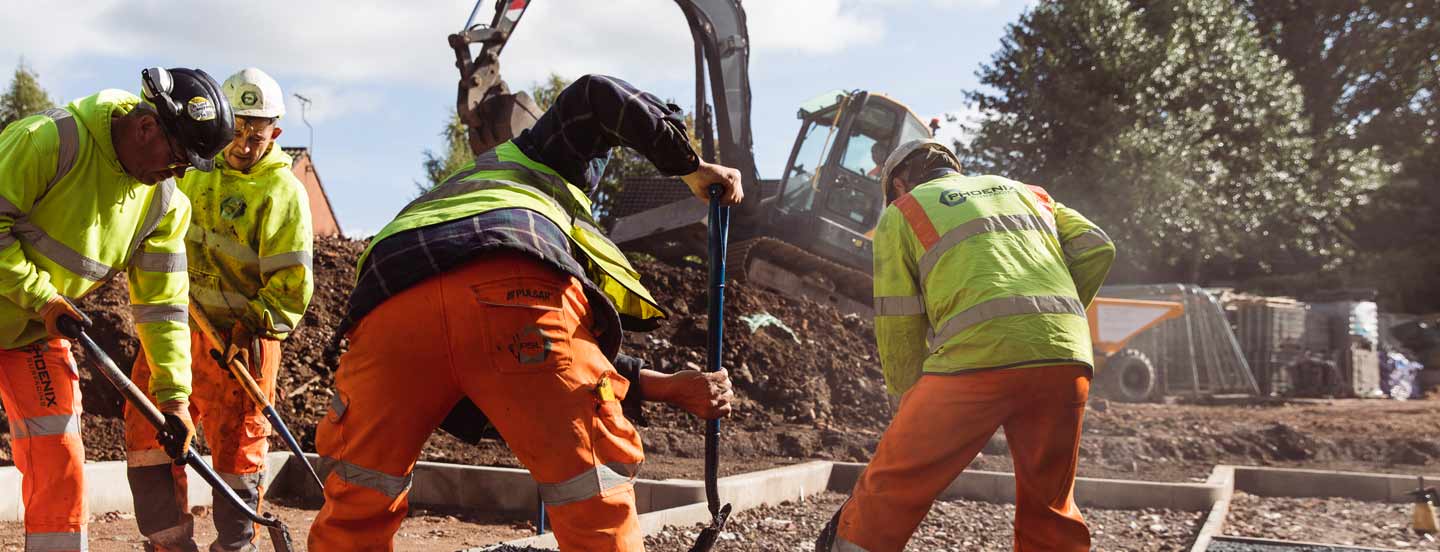
An additional critical service provided by surfacing contractors is ground preparation. Proper ground preparation is necessary for the durability of any surfacing project, as it ensures a solid and firm foundation. This involves leveling, compacting, and resolving any surface water concerns that might affect the integrity over time. By focusing on these key areas, surfacing contractors set the stage for successful and durable surfacing services.
Choosing the Best Contractor
Selecting the right paving contractor for your project can be a daunting task, but it is crucial for obtaining the needed outcome. Begin by looking into potential contractors in your area, focusing on their standing and expertise. Online feedback, endorsements, and referrals from previous clients can provide valuable information into a contractor's dependability and standard of work. Consider contractors who specialize in the type of paving you need, whether it is asphalt, concrete, or tarmac, as their expertise will directly affect the success of your project.
It is necessary to get multiple quotes from different contractors to assess their services and pricing. When reviewing these quotes, look beyond the price and consider what is included the proposal. Ensure that the contractor offers a clear breakdown of materials, labor, and any additional services such as line marking or drainage solutions. A clearly outlined quote can reveal a contractor's transparency and professionalism, helping you make a more knowledgeable decision.
Communication is another critical factor when choosing a surfacing contractor. Pay attention to how promptly they respond to your inquiries and how ready they are to resolve your concerns. A contractor who communicates effectively and shows a genuine commitment in your project is more apt to deliver pleasing results. Building a good relationship will also help you feel confident in their capacity to carry out your vision, ensuring a seamless and successful surfacing job.
Comprehending Paving Elements
As considering a surfacing task, the decision of materials is crucial to attaining robustness and functionality. Bitumen and cement are the two most frequently used materials utilized in surfacing, each offering individual benefits. Bitumen is known for its elasticity and value, making it a popular choice for roadways, vehicular areas, and roads. On the other hand, concrete provides a more sturdy surface that is perfect for frequently used areas and can last a greater duration with proper maintenance. Grasping these materials helps in picking the best one based on particular project needs.
In addition to bitumen and cement, there are also eco-friendly surfacing options gaining popularity. Recycled materials can be blended into both asphalt and concrete blends, which not only does it reduce environmental impact but also enhances material performance. Water-permeable surfacing materials are another choice, allowing water to percolate through the surface, thus lessening flooding and improving groundwater recharge. Contractors can guide clients toward sustainable options that satisfy their projects and environmental objectives.
The durability and performance of any surfacing material depend greatly on the caliber of installation and maintenance. Adequate ground preparation is critical, as is the suitability of materials for local weather conditions. Such as, in regions with freezing conditions, choosing a material resistant to fracturing and damage is crucial. Surfacing contractors provide expertise in choosing the best materials and techniques to ensure that the finished project not only meets visual standards but also survives the test of time.