

Electrical safety is a vital aspect of upholding a protected and functional house or workplace environment. Frequent electrical assessments are crucial to confirm that electrical systems, sockets, and other elements comply with safety regulations and are working correctly. These inspections can help discover likely hazards before they increase into significant issues, such as electrical blazes or malfunctions. Comprehending what more info comprises and the necessity of planning these assessments can significantly enhance your safety and mental well-being.
In this comprehensive guide, we will explore multiple facets of electrical evaluations, from typical problems found during inspections to how often you should schedule them. We will also dive into the role these assessments play in domestic protection, energy efficiency, and the protection of your property. Whether you're a resident, a first-time buyer, or a commercial property owner, understanding the ins and outs of electrical inspections is vital for maintaining a protected and compliant environment.
Grasping Electrical Assessments
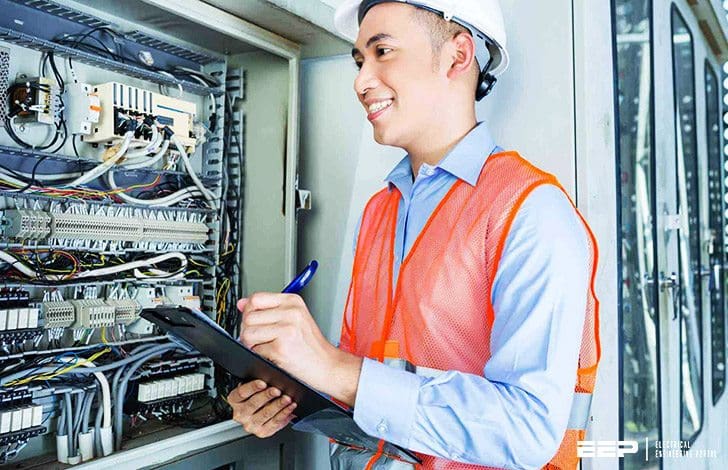
Electrical examinations are essential evaluations of a building's electrical infrastructure, confirming they meet safety criteria and regulations. During these evaluations, licensed technicians examine wiring, circuit protectors, outlets, and other electrical parts. The main goal is to detect any potential hazards that could result in fires, electrocution, or other hazards. This thorough examination helps preserve the integrity of the wiring systems and supports compliance with local codes.
The value of electrical inspections cannot be overstated, notably in residential and commercial buildings. They serve a crucial function in preventing electrical failures, which can be expensive and dangerous. Regular inspections help identify issues early, enabling timely repairs that enhance the safety and efficiency of the network. Homeowners and businesses alike reap rewards from the peace of mind that comes with knowing their electrical systems is secure.
For both new and existing properties, understanding the range and requirements of electrical inspections is important. Whether you are a homeowner, a prospective purchaser, or a business owner, being aware of the inspection process and its significance can help safeguard your investment. Knowledge with what to anticipate ensures that people can make educated decisions and maintain safe environments for their families and employees.
Frequent Issues and Resolutions
One of the most frequently encountered problems during electrical inspections is outdated wiring. A lot of homes still utilize aluminum wiring or have installations that do not comply with current safety standards. Upgrading to contemporary copper wiring can substantially increase safety and reduce the chance of power fires. Homeowners should consider consulting with a licensed electrician to evaluate the condition of their wiring and recommend necessary upgrades.
Additionally finding is overloaded circuits, which can lead to tripped breakers or worse, fire hazards. This problem often arises from the rising use of high-watt equipment and devices. To resolve this, homeowners can spread out load over circuits or install additional circuits to handle the requirement. A qualified electrician can assess the electric load needs of a home and help implement a solution that guarantees safety and compliance with electrical codes.
Grounding issues also commonly occur during inspections, as improper grounding can lead to severe electrical shocks or equipment failures. A lot of older homes lack adequate grounding systems, and newer homes may have grounding issues due to poor installations. To resolve grounding problems, it’s important to have a professional electrician inspect the grounding system and make necessary upgrades, confirming all outlets and electrical systems are properly grounded for safety.
Importance for Homeowners and Businesses
Electrical inspections are essential for residential owners as they ensure the security and effectiveness of electrical infrastructures. Regular inspections help identify possible risks, such as aged wiring, faulty connections, and overloaded circuits that could lead to blazes or power failures. By resolving these problems promptly, homeowners protect their families and properties while also avoiding expensive repairs in the future.
For businesses, electrical inspections are not just a legal obligation; they are necessary for maintaining safety operations and productivity. A well-maintained electrical system lessens the chances of workplace incidents and downtime caused by electrical failures. Regular inspections also improve compliance with safety standards, which can avert legal repercussions and financial damages. Ensuring a secure workplace for employees bolsters a company's standing and productivity.
In addition, both homeowners and business owners benefit monetarily from electrical inspections by improving energy efficiency. Assessments often reveal opportunities for upgrades that can decrease energy consumption and service charges. With the added advantage of increasing the durability of electrical systems and devices, frequent inspections represent a smart decision for both residential and commercial properties.