

Stone features have long been cherished for their beauty, longevity, and historical significance. From magnificent marble floors in upscale hotels to rustic granite countertops in warm households, stone surfaces play a vital role in elevating the aesthetic and functional aspects of the environments we inhabit. However, over stone mason , these stunning materials can show signs of aging, prompting the need for careful stone restoration to preserve their integrity and charm.
Understanding the nuances of stone restoration is crucial for homeowners who wish to keep the allure of the value of their property. Whether you are dealing with a heritage building or a modern property, knowing what stone restoration entails and its importance can make a significant difference. This article explores the comprehensive process of restoring stone surfaces, discusses the advantages of professional services, and shares essential tips on maintenance, ensuring that the beauty of your natural stone remains vibrant for years to come.
Comprehending Stone Restoration
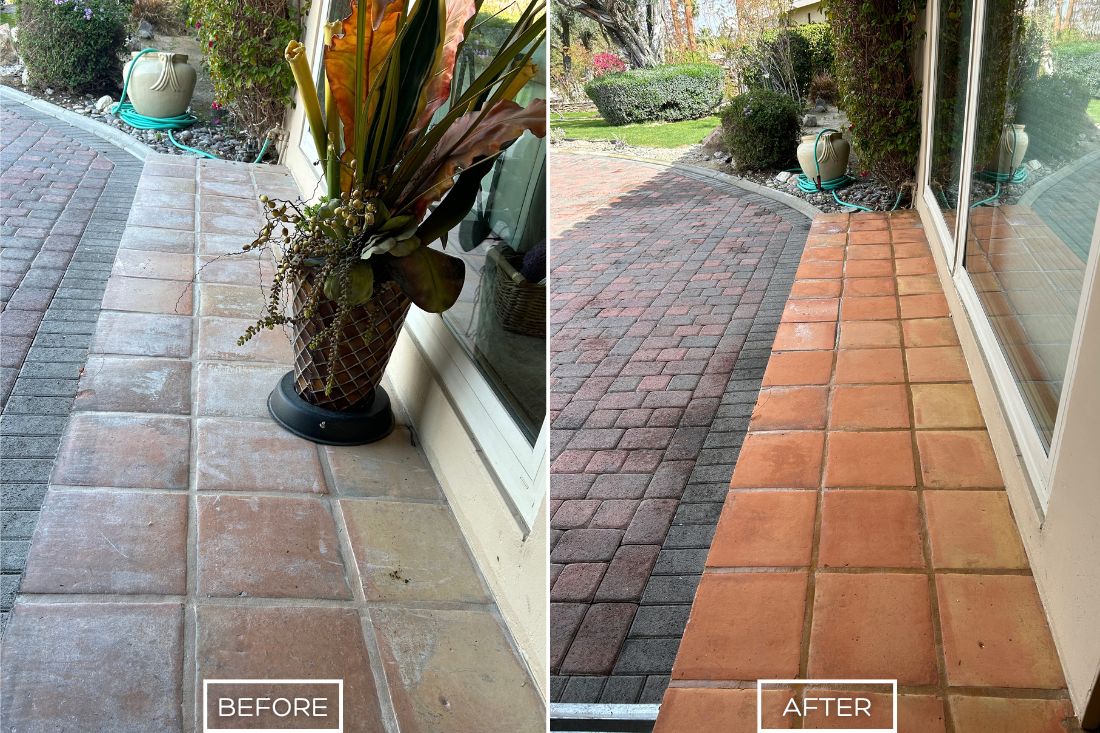
Stone refurbishment is the procedure of repairing, purifying, and renewing natural stone surfaces that have been worn down or damaged over time. This technique is essential for maintaining not only the aesthetics of rock elements but also their structural integrity. Stone materials like travertine are valued for their beauty and strength, yet they are susceptible to various forms of harm, such as scratches, gouging, and discoloration. Understanding stone refurbishment helps property owners recognize the importance of maintaining these surfaces to ensure they remain in optimal shape.
A common fallacy is that washing and refurbishment are the same. However, stone restoration involves a more comprehensive approach than basic cleaning. It includes repairs such as patching gaps, grinding down uneven areas, and buffing to restore the original luster. Additionally, protection techniques such as sealing are often used to safeguard the stone from subsequent damage. This nuanced understanding is essential for property managers alike, as it informs their decisions regarding care and refurbishment options.
Opting to invest in rock refurbishment can yield significant advantages, including enhanced aesthetic value and boosted property value. Properly kept stone surfaces can change the overall look of domestic or business properties, rendering them more welcoming and attractive. Furthermore, proper restoration can lengthen the lifespan of these features, ultimately saving costs in the long run by delaying the requirement for more extensive fixes or replacement. Understanding the rock restoration procedure enables property owners to make informed decisions that advantage their investments.
Benefits of Professional Stone Restoration
Professional stone refurbishment offers numerous advantages for both residential and commercial properties. One of the primary benefits is the enhancement of visual appeal. Over time, natural stone surfaces can become lifeless, stained, or scratched, detracting from their original beauty. Expert restoration services utilize advanced methods and products that effectively restore the stone's luster and color, making it an appealing feature in any space. This transformation not only adds to the overall ambiance but can also impress visitors and potential buyers.
Another noteworthy benefit is the increase in property value. Properly cared for stone surfaces are a key factor in a property's worth, particularly in the case of historic homes or luxury estates. Putting in professional restoration can result in a high return by making a property more attractive on the market. Potential buyers are often ready to pay more for properties that display beautifully maintained stone features, highlighting the importance of regular care and restoration work.
Finally, professional stone refurbishment extends the lifespan of stone surfaces. Regular upkeep and timely restoration help to avert minor issues from escalating into expensive repairs or replacements. Professionals are trained to identify and fix common problems such as cracks, stains, and etching, ensuring that the stone remains durable and functional for many years. By spending in professional stone restoration, property owners can save money in the long run and enjoy the lasting beauty of their stone features.
Frequent Issues and Solutions in Stone Repair
The main issues in rock repair is determining the particular kind of rock and the nature of the harm it has experienced. Distinct rocks, like limestone, slate, and travertine, require distinct approaches and materials for effective restoration. Professionals need to be careful in examining surface conditions, which include markings, blemishes, and physical harm, to select the right cleaning agents methods and repair techniques. A detailed analysis helps in formulating a focused restoration plan, ensuring that the unique characteristics of the stone are maintained while adequately tackling any injury.
Another common obstacle during the restoration task is controlling moisture and surrounding factors, especially for outdoor stone facades. Climatic conditions can exacerbate current damage or cause new issues including white powdery residues and mildew growth. To counteract these issues, it's important to apply proper waterproofing approaches after restoration to shield the rock from subsequent moisture infiltration. Additionally, restoring rock in temperate weather circumstances can help reduce hazards and result in improved outcomes, allowing the stone to set correctly without the interference of severe weather or moisture.
Finally, the choosing of experienced workers poses a issue in rock restoration. Numerous home owners may be tempted to attempt DIY techniques to reduce expenses, but this can result in permanent damage if not carried out well. Engaging a reputable stone restoration business ensures that experienced workers use the most current methods and technology, substantially reducing the chances of mistakes. Confirming credentials and reviewing prior work are vital processes in selecting the suitable provider, finally ensuring a effective repair that boosts the aesthetic and durability of the rock surfaces.