

Buying a used car can appear like traversing a maze of options, each turn presenting its own difficulties and gains. With the year 2026 on the horizon ahead, the market for pre-owned vehicles is changing, offering both experienced buyers and newcomers a plethora of selections. Grasping the nuances of used car maintenance reports is essential, as these documents serve as a gateway into a vehicle's past, revealing its genuine condition and potential problems. The information found in these reports can make all the difference in guaranteeing that you are making a wise investment.
As you embark on your journey to find the perfect used car, it's crucial to equip yourself with information. From how mileage impacts a car’s value to guidelines for inspecting vehicles before making a purchase, this guide will assist simplify the process. Regardless of whether you are looking for a trustworthy ride for your regular commute or a budget-friendly option for your family, recognizing the significance of vehicle maintenance reports will enable you to make informed decisions. Fasten your seatbelt and get ready to decode the secrets of the used car market.
Interpreting Vehicle Background Reports
As acquiring a second-hand car, an essential significant measures is to review the car background document. This report offers detailed information about the car's past, including title history, accident reports, and service records. Firms like Carfax and AutoCheck produce these reports from multiple sources, giving a comprehensive view of the car's background. Through comprehending the information contained in a vehicle history report, buyers can create more astute choices and avoid traps associated with purchasing a used car.
Important elements to look for in a vehicle history report are odometer readings, that can help confirm the correctness of the mileage, and all reported accidents, that can suggest potential problems with the car's trustworthiness and safety. Additionally, the report will typically show if the car has a salvage title, indicating it was classified a total loss by an insurance company. This data can greatly affect the car's price and your following ownership experience, underscoring the importance of careful examination.
Although a vehicle history report is not a guarantee of the car's condition, it functions as a vital tool in the buying process. It brings to light potential issues that may require further investigation, such as repeated repairs or title issues. By utilizing this report in conjunction with a comprehensive inspection and test drive, buyers can more effectively manage the complexities of the used car market and find a vehicle that satisfies their requirements and budget.
Advice for Inspecting and Inspecting Used Cars
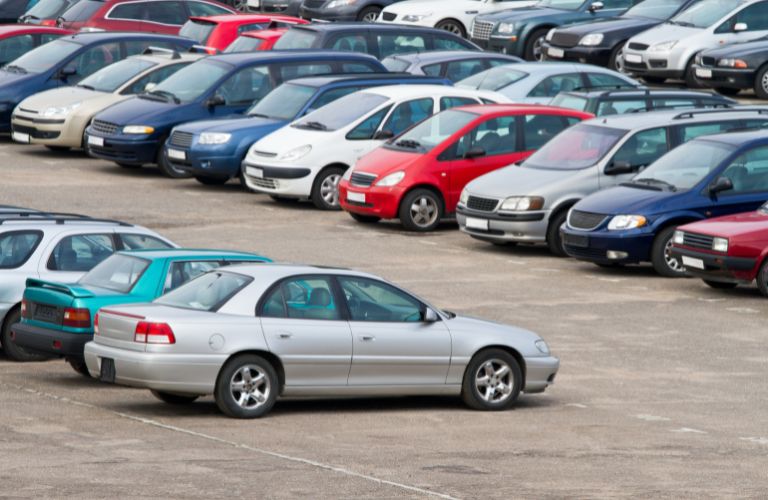
As you inspecting a used car, you should to start with a detailed visual inspection. Look for signs of wear and tear on both the exterior and interior. Inspect for any rust spots, dents, or scratches on the body of the car, as well as the condition of the tires and brakes. Inside the vehicle, look over the upholstery for tears or stains, and try out all features such as the air conditioning, windows, and lights to confirm everything is functioning properly.
Going the car for a test drive is essential in determining its performance. During Used Cars For Sale Kidderminster , observe how the vehicle accelerates, brakes, and handles on the road. Listen for any unusual noises such as grinding, knocking, or squeaking, which could suggest underlying mechanical issues. It’s also wise to try driving both at low and high speeds to check its stability and comfort on various road conditions.
Finally, always check the vehicle history report before making a final decision. This report can provide critical information about past accidents, title issues, and service history. Verifying the mileage recorded can also help ensure that the seller's representations are accurate. If possible, aim to have a trusted mechanic perform a pre-purchase inspection to uncover any hidden problems that you may have overlooked.
Funding and Bargaining Your Acquisition
Concerning financing your second-hand car buy, it is important to consider all your possibilities. Start by checking your credit score, as this will affect the loan rates you are provided. Many buyers choose financing from dealers, but it can often be advantageous to obtain a loan through a bank or credit cooperative beforehand. This method, you can compare rates and discuss terms more effectively. Additionally, consider the total cost of the loan, including charges, to ensure you stay within your financial limits.
Negotiating the optimal price on a pre-owned car necessitates investigation and planning. Prior to visiting dealerships, compile information about the specific make and model you are looking at, including its worth, consumer ratings, and any ongoing promotions. This knowledge not only boosts your confidence but also provides leverage during discussions. Be willing to point out any defects or maintenance issues you notice during your inspection to defend a lower price.
In conclusion, be ready to walk away if the offer doesn’t meet your criteria. Many sellers are open to negotiate if they see you are not easily swayed. It's crucial to keep the conversation respectful but assertive. If financing through the dealership, be clear about your limits and do not feel feel pressured to agree to add-ons that may inflate the total cost. Keep in mind, the objective is to make a well-informed purchase that fits both your economic circumstances and your requirements.