

When it comes to large-scale projects, choosing the appropriate equipment for business paint spraying can be all the difference in achieving a top-notch finish. Whether you are refurbishing a storage facility, revitalizing a commercial area, or maintaining factories, the effectiveness and efficiency of your painting method are crucial. With advancements in spray technology, companies now have access to a range of systems designed to address the specific needs of commercial environments, ensuring that every coat applied is both durable and visually appealing.
In this article, we will examine the countless benefits of paint spraying in commercial settings, including its financial advantages, efficiency in minimizing downtime, and the impeccable finish it delivers. We will delve into the various spray systems available, such as spray-less and HVLP, and discuss how to prepare your commercial space for skilled application. By understanding the subtleties of commercial paint spraying, entities can make well-considered decisions that not only enhance visual appeal but also promote a secure and productive environment for employees and customers alike.
Advantages of Commercial Paint Spraying
Business paint spraying offers a variety of advantages that make it an excellent choice for large projects. One of the primary benefits is quickness. Unlike traditional painting methods, spray painting allows painters to cover vast areas in a fraction of the time, reducing labor costs and project timelines. This efficiency is particularly important for companies that need to reduce disruptions during renovations or maintenance work, enabling them to return to normal operations swiftly.
Another significant benefit is the quality of finish achieved through spray applications. Business paint sprayers provide an even coating, reducing the chances of streaks or uneven textures that can occur with brushes or rollers. This process not only enhances the aesthetic appeal of a space but also prolongs the lifespan of the paint job, ensuring a lasting and visually pleasing result. A smooth finish can elevate the overall quality of a business property, leaving a positive impression on customers and customers.
Moreover, commercial paint spraying contributes to effective use of resources, including paint and time. Spray systems are designed to minimize overspray and waste, allowing for better coverage with fewer product. This aspect not only decreases material costs but also promotes a more eco-friendly approach to painting by reducing the environmental impact associated with unnecessary paint usage. In a world increasingly focused on sustainability, implementing business paint spraying can reflect a company's commitment to responsible practices.
Determining the Appropriate Tools
Choosing the appropriate tools for professional paint spraying is essential for guaranteeing project effectiveness and achieving a high-quality finish. Diverse spray systems, such as air-less and HVLP (High Volume Low Pressure), present various benefits and disadvantages based on the distinct requirements of the job. Air-less sprayers are frequently preferred for their ability to paint extensive areas quickly, making them ideal for storage facilities and commercial environments. On the other hand, HVLP systems offer finer control and reduced overspray, which is advantageous for projects that necessitate fine detail or when working in environments with vulnerable zones.
When pick equipment, consider the variety of paint and coatings utilized, the substrates to be painted, and the scope of the project. For instance, robust paints may require specialized tools that can handle thicker materials without interfering. Additionally, features such as variable pressure settings and replaceable tips can significantly improve adaptability. Grasping the exact demands of your project will assist you in choosing gear that not only fulfills those demands but also adds to a seamless finish.
Finally, it is crucial to emphasize protection and conformance with regulatory standards in industrial paint spraying. Sufficient ventilation and protective gear should be routine when operating painting gear. Acquiring high-quality equipment that features safety characteristics will aid minimize hazards for employees and ensure that the project operates without issues. In the end, the proper tools selection yields benefits by delivering durable results and keeping disruptions to a lower level, advantaging your company in the end.
Safety and Regulations in Commercial Projects
Ensuring security and adhering to standards in commercial paint spraying is crucial for protecting both employees and the environment. Organizations must comply with OSHA regulations, which encompass proper training for employees in the operation of tools and supplies. Moreover, it is crucial to follow relevant safety data sheets for chemicals used, ensuring that all safety measures are in place, such as personal safety gear (PPE) like gloves, masks, and eye protection to minimize exposure to dangerous materials.
Implementing a robust safety program not only safeguards the health of workers but also minimizes the chances of incidents and legal issues for companies. Commercial Spraying Spalding and upkeep of spraying tools are necessary to ensure they work effectively and in a safe manner. Moreover, establishing clear lines of communication among staff helps enable quick responses to any possible hazards that may occur during the spraying process.
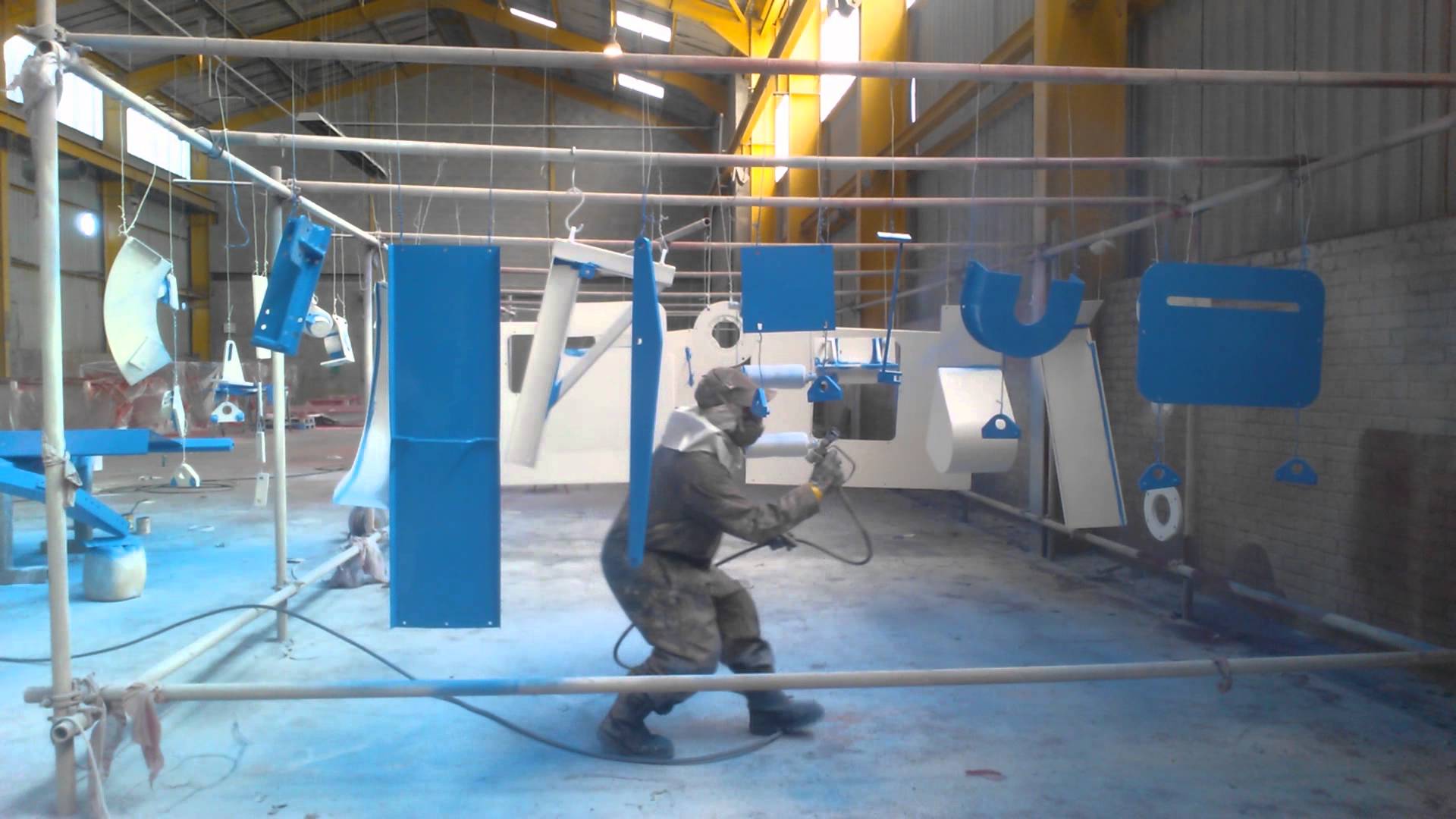
Lastly, considering eco-friendly practices is progressively critical in commercial painting projects. Opting for green paint choices and ensuring adequate airflow during the painting procedure can minimize the environmental impact and encourage a healthier working space. By focusing on safety and adhering to established regulations, companies can achieve successful project outcomes while maintaining the health of their employees and the community.