

In the dynamic world of industrial painting, the correct application techniques can make all the difference in transforming spaces efficiently and efficiently. Whether you’re updating an office, improving a retail shopfront, or readying a warehouse for a new tenant, opting for industrial paint spraying offers a variety of advantages. This method not only does it ensure a flawless finish but also considerably reduces project timelines and minimizes inconvenience to business operations, making it a popular choice for large-scale projects.
As we investigate the intricacies of commercial paint spraying, we will examine various key aspects like the benefits it presents for different commercial environments, the essential preparations needed for optimal results, and how to select the appropriate spray system for your specific needs. From familiarizing yourself with eco-friendly paint choices to acknowledging the necessity of safety standards, this guide will arm you with essential insights to enhance the success of your commercial painting projects.
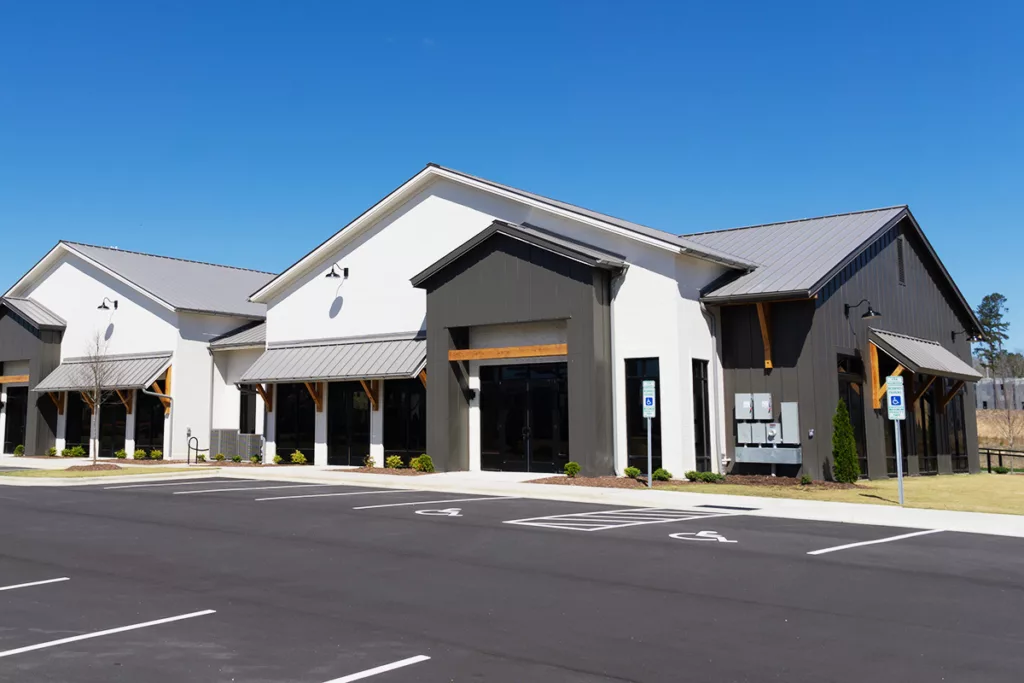
Benefits of Commercial Coating Spraying
Commercial coating application offers numerous advantages that make it an excellent choice for large-scale projects. One of the most important advantages is the speed at which a area can be revamped. The spraying method allows for a much quicker application compared to conventional painting techniques approaches, covering large areas effectively. This is particularly important for companies looking to reduce interruptions and maintain operations while refreshing their premises.
Another noteworthy advantage is the high-quality finish that commercial paint application delivers. The spray technique ensures an even distribution of coating, reducing the likelihood of drips and brush marks that can occur with roller techniques. This produces a smooth, professional look that enhances the overall appearance of the space. Moreover, the ability to use different spray methods, such as airless systems or high-volume low-pressure, provides versatility to achieve the desired outcome across various materials and job needs.
Economic efficiency is also a significant factor when evaluating industrial paint spraying. With reduced work hours and the ability to use less paint due to the precise application, companies often discover that this technique leads to lower overall project costs. Moreover, premium finishes from spraying tend to be more long-lasting, meaning fewer upkeep costs in the long run. Thus, the investment in commercial paint application can yield substantial savings for companies in different sectors. spintax ### Choosing the Best Gear
Choosing the suitable tools for industrial paint spraying is crucial for achieving top-notch outcomes . Comprehending the different types of spray systems available is the primary step. Helpful hints -free spray systems are favored for their capability to handle denser paints and provide a quicker process, making them perfect for big projects. On the other hand, High Volume Low Pressure systems offer greater control and minimal overspray, which is beneficial for projects that require precision .
An additional consideration is the nozzle size and type. The right nozzle can considerably affect the spray pattern and finish quality . For diverse paint types and surfaces, multiple nozzle sizes are essential to ensure optimal coverage and efficiency . It is vital to choose a nozzle that matches the exact requirements of your job, taking into account the thickness of the paint and the texture of the surface being sprayed.
Moreover , tools such as spraying equipment, hoses, and compressors should not be overlooked . Investing in high-quality , dependable equipment can make a substantial difference in the total performance of your paint spraying project. Appropriate maintenance and regular checks of the equipment can mitigate downtime and ensure a perfect finish. By choosing the best equipment, you enhance not only the quality of the application, but also enhance the complete efficiency of the project.
Top Strategies for Effective Application
Obtaining a smooth outcome in professional paint spraying requires meticulous preparation. Prior to starting, ensure that surfaces are clear, not damp, and free from dust or debris. Employ appropriate primers and confirm the substrate is in acceptable condition. Proper protection of areas not to be painted is necessary to achieve defined edges and protect equipment from spray mist. Devoting time in surface preparation not only enhances adhesion but also prolongs the longevity of the paint job.
Picking the right equipment is crucial for successful application. Airless spray systems are typically preferred for large projects due to their speed and ability to cover large areas rapidly, while HVLP systems are ideal for detailed work and provide more maneuverability. No matter which system is chosen, operators should be well-trained and familiar about the specific techniques needed for their tools. Regular maintenance of the sprayer will also avoid issues that could lead to poor finishes.
In conclusion, factor in environmental factors during the spraying process. Sufficient ventilation ensures that fumes are dissipated and helps maintain a pleasant working environment. Moreover, observing temperature and humidity can greatly impact the application and drying times. By following these standards, businesses can ensure a successful paint application that meets the expectations required in professional projects.