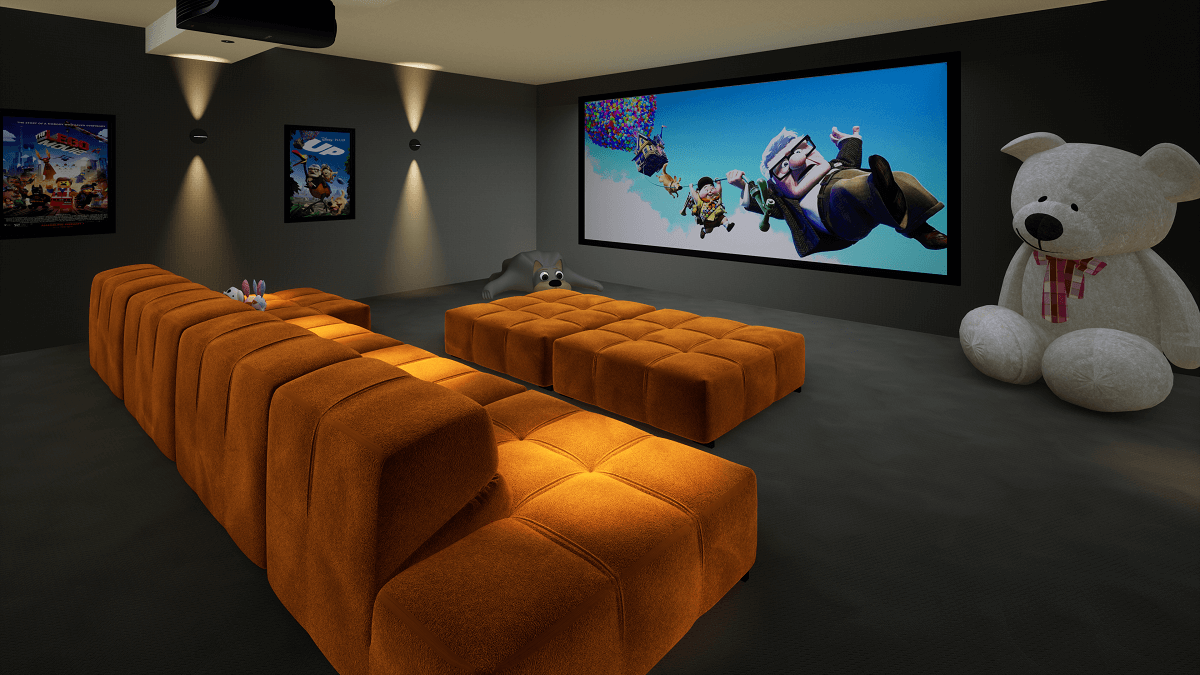
Envision sinking into your comfortable chair, the lights dimming as the opening credits begin on a cinematic masterpiece. Your own personal cinema transforms movie nights into a mesmerizing experience, elevating family meetings and entertaining friends to a new level. Whether you are a die-hard cinephile or a casual viewer, creating your perfect home cinema may feel like a challenging task. But it doesn’t have to be.
In this comprehensive guide, we will examine everything you need to know about building the ideal home cinema. From crafting Go here to choosing the best projector and sound system, we will cover the must-have features for a modern setup. We'll also share clever tips for creating a remarkable viewing experience within any budget, ensuring that you can enjoy your favorite films in style. Whether you are working with a limited space or planning a extravagant theater, prepare to be inspired as we delve into the craft of home cinema.
Key Aspects for Your Home Cinema
Establishing a perfect home cinema involves more than just picking the appropriate equipment; it demands a careful choice of important elements that elevate your viewing experience. One of the top elements is the audio system. Multichannel audio is key for engaging yourself in the story on screen, so investing in a high-quality surround sound system will greatly enhance your cinema experience. No matter if you opt for a 5.1-channel or 7.1, ensure that every part of the room is secured to receive dynamic soundscapes that make you experience like you're part of the film.
Additionally, the projector or display technology is a critical aspect of your home cinema. Selecting between a projector and an LCD TV can significantly influence your cinema experience. Projectors offer the charm of a large screen and are ideal for generating a cinematic feel, while OLED TVs provide breathtaking image quality and brightness. Whichever you choose, make sure to think about factors like resolution, brightness, and contrast ratio to ensure you attain the best possible picture quality.
Last but not least, lighting plays a key role in establishing the mood for your movie nights. Home cinema lighting should be flexible and adjustable, allowing you to adjust brightness levels according to the film genre or the time of day. Adding smart home tech can improve this experience, giving you the ability to automate your lighting. Additionally, consider adding dimmable fixtures and ambient lighting options that can create a ideal atmosphere without interfering from the screen.
Designing Your Home Theater Setup
Designing an effective home theater layout begins with picking the ideal room. Consider elements like size, shape, and acoustics. Preferably, choose a long room with limited windows to reduce illumination interference and improve audio quality. Measure the space to ensure that you possess enough room for your screen, seating, and any extra equipment. https://canvas.instructure.com/eportfolios/3790439/entries/13717071 forget to account for the distance between the screen and seating to secure the best watching experience.
Once you possess your space selected, you can commence organizing where to set your screen and seating. The screen should be positioned at a comfortable height when seated, typically about 1.5 to 2.5 times the width of the screen distant from the seating area. Set up your chairs in a way that ensures everyone has a clear view without obstruction. Think about tiered seating if room allows, as this can enhance sightlines for bigger audiences.
Lighting is a key aspect of your home theater layout. Aim for a mix of background and task lighting that can be adjusted to fit different activities, such as viewing films or playing games. Adjustable lights will help create the ideal atmosphere, while light-blocking curtains can eliminate any remaining light interference. Harmonizing sound and light will elevate your home cinema experience to that of a genuine movie theater.
Cost-Effective Home Theater Advice
Setting up a movie-watching environment does not have to be expensive. Start by utilizing what you already have in your living space. Ponder utilizing an existing room that can be easily changed into a cinema without major renovations. Easy adjustments like repositioning furniture or decorating the walls a darker color can set the mood without large costs. Additionally, using a plain wall as a display can save you the investment of buying a projector screen.
When it comes to tech, emphasize purchasing necessary items initially. You don't need cutting-edge technology to get started. Investigate affordable projectors and sound systems that offer satisfactory quality at a lower price point. Many economical brands provide impressive performance that can fulfill your cinematic needs. Remember to search for second-hand options, which can offer substantial savings while still delivering sound quality.
Finally, think about DIY alternatives to enhance your home theater without investing a fortune. Building your own acoustic panels or acoustic treatment materials can be an cost-effective project that enhances sound quality. Additionally, search for creative ways to create ambiance with budget-friendly lighting options, such as LED strips or inexpensive floor lamps. With a little ingenuity and effort, you can achieve a top-notch cinema experience while remaining within your budget.