

Landscape design is an art form that merges the beauty of nature with the imagination of human creativity. As we more and more value external environments that provide peacefulness and links to the environment, innovative landscape design becomes vital. Whether you have a large backyard or a small front yard, there are myriad ways to transform your outdoor spaces into gorgeous sanctuaries that showcase your individual taste.
In this post, we will examine a variety of creative approaches to landscape design, presenting ideas and practical tips. From entry-level ideas for basic landscaping to more sophisticated concepts that include hardscaping and eco-friendly practices, we will lead you through the top trends and key strategies for designing beautiful, functional outdoor spaces. Join us as we delve into the realm of nature's palette, where your garden can truly come to life.
Creative Landscape Design Ideas
Transforming your landscape area can be an invigorating project, especially with original landscape design ideas that improve beauty and utility. One strategy is to incorporate contemporary water features like smooth springs or natural lagoons that can act as highlights. These additions not only add visual interest but also create soothing noises that improve tranquility in your garden. Combining these aquatic features with strategically placed furniture can create an pleasant setting for hosting or relaxing after a long workday.
Another innovative concept is the integration of hardscaping to shape your landscape's identity. Embedding trails with various elements such as rocks, bricks, or pavers can add intrigue and direct visitors through your landscape. Garden features such as covers or archways can also serve two functions: offering protection while enhancing your landscape's appearance. This balance between hardscaping and softscaping can create a harmonious and integrated outdoor setting that feels both inviting and skillfully designed.
Blending indigenous flora into your landscape design is both progressive and environmentally responsible. Landscaping Services are tailored to your local climate and ground characteristics, requiring minimal irrigation and upkeep than introduced plants. By creating a landscape that features native flora, you not only support variety in wildlife but also create a gorgeous sight that changes with the year. This strategy allows you to develop a connection with the outdoors while maintaining your landscape creation remains low-maintenance and environmentally friendly.
Handy Advice for Every Homeowner
When start a landscape design project, it is crucial to understand your yard and its possibilities. Begin by assessing your landscape’s sunlight, soil type, and drainage. Taking note of these elements will assist you choose the right plants and layout. Additionally, consider how you wish to employ the space: entertaining, gardening, or simply relaxing. This understanding will direct your design choices and make certain you create a usable outdoor area that satisfies your requirements.
Budgeting is another key factor of landscape design. You don’t need to spend a fortune to achieve stunning results. Identify your projects and concentrate on high-impact areas at the outset. For case in point, adding a few hardy plants or a small hardscape feature can greatly uplift your landscape. Take advantage of discounts during seasons and consider DIY projects if feasible. This method not only preserves money but also contributes to the personal touch in your outdoor space.
Finally, maintenance should be a factor from the beginning. Opt for low-maintenance plants and sustainable practices that conserve time and materials. Including native plants will also reduce upkeep but also nurture local wildlife and ecosystems. Take note, a well-designed landscape should be enjoyable and manageable, allowing you to devote more time enjoying your outdoor haven instead of working on it.
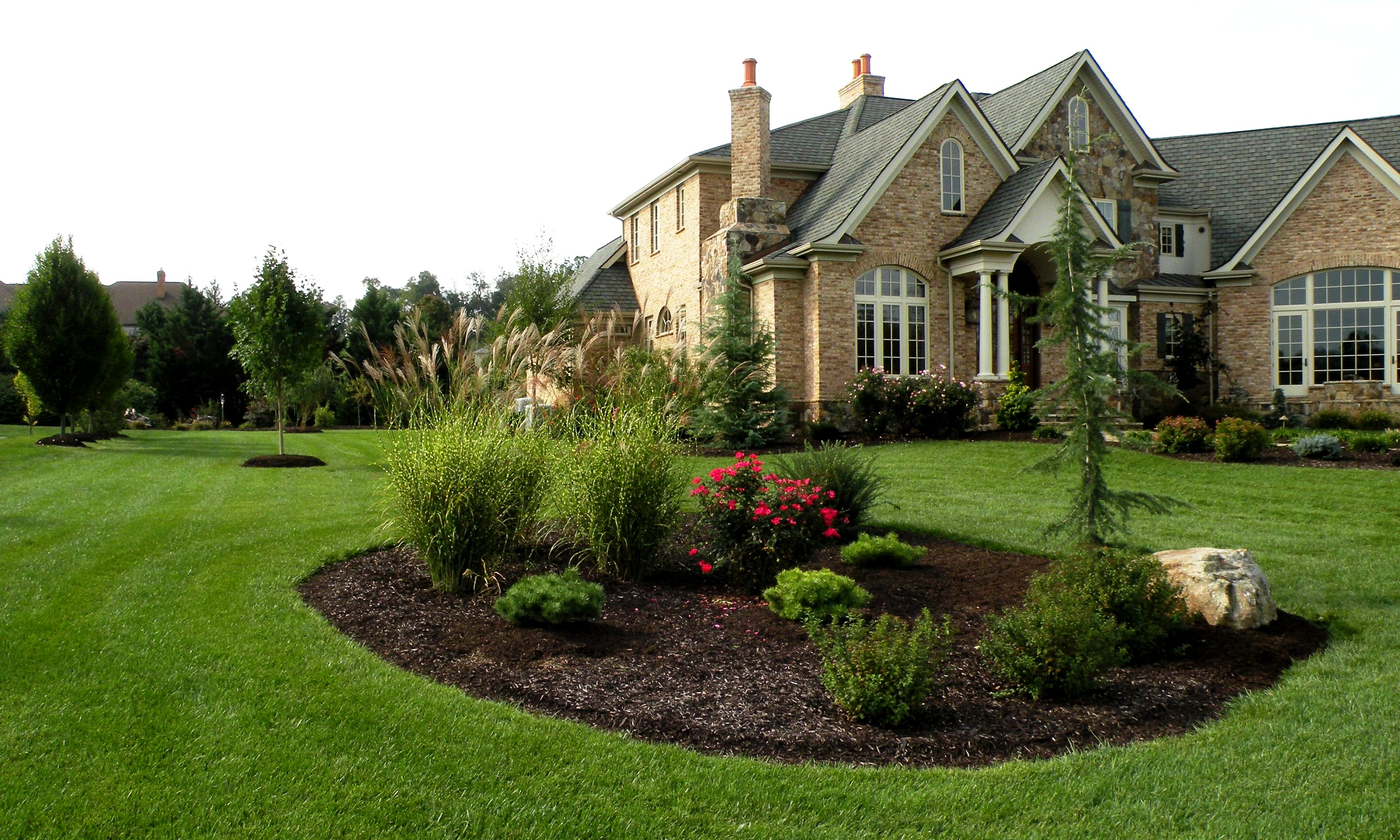
Eco-Friendly and Green Approaches
Integrating sustainable approaches into landscaping not only helps the ecosystem but also creates aesthetically pleasing, thriving outdoor spaces. One of the key elements is the use of native plants, which are adapted to the local climate and soil conditions. They require lower amounts of water, fertilizers, and pesticides, making them a low-maintenance and environmentally-friendly choice. Moreover, native plants support local wildlife, offering essential habitats and food sources for pollinators and other beneficial species.
A further vital component of sustainable landscaping is the implementation of hard landscape elements that promote sustainability. Using permeable materials for patios and walkways allows for better water drainage and reduces runoff, which helps restore groundwater supplies. Furthermore, installing water features such as rain gardens or ponds can control stormwater efficiently while enhancing the visual beauty of the landscape. These features can also foster diverse ecosystems, promoting a connection between your yard and the surrounding environment.
Finally, integrating fruit and vegetable gardens presents a distinct opportunity to endorse sustainability. Creating your landscape to include fruit trees, vegetable patches, and herbs not only provides fresh produce but also reduces the carbon footprint associated with transporting food. Establishing a space where one can grow their own food promotes a self-sustaining lifestyle while enriching the landscape's aesthetic and productivity. By prioritizing these sustainable practices, homeowners can create inviting outdoor spaces that are both functional and environmentally responsible.