

Spray-painting is a revolutionary technique that unlocks a universe of artistic possibilities for both newbie DIY enthusiasts and seasoned artists. If you want to renew your indoor décor, handle a furniture makeover, or start an industrial application, mastering the nuances of spray painting can transform your project from ordinary to extraordinary. This technique allows for smooth finishes, bold colors, and the capability to cover extensive areas quickly, making it a preferred choice for many home improvement tasks.
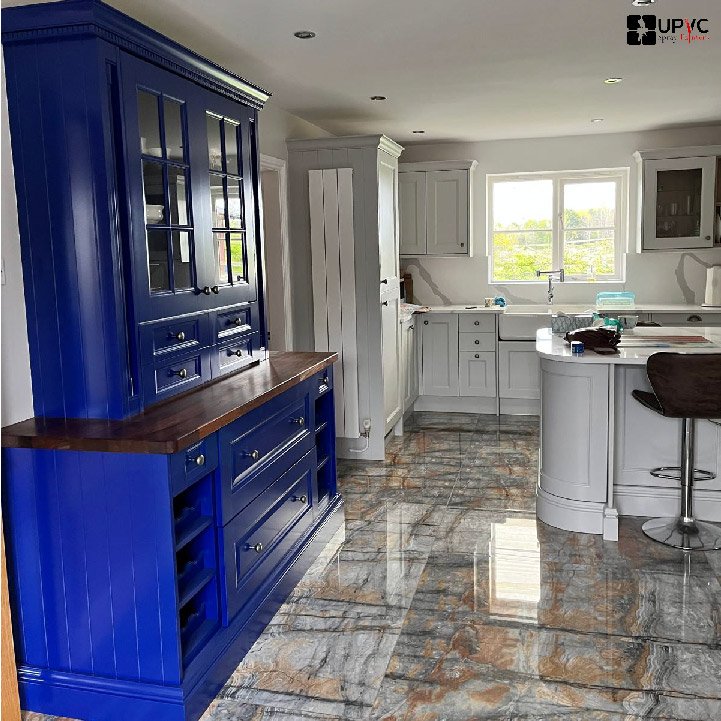
In this piece, we will delve into the essential aspects of spray painting, from enhancing your technique to picking the right materials. We aim to empower you with innovative tips and tricks that not only assist you in steering clear of common mistakes but also offer you insights into when it might be best to reach out to a professional. Regardless of whether you're painting wood, metal, or even walls, our comprehensive guide will guarantee that you reach stunning results while relishing the process of painting your world.
Enhancing Spray Painting Skills
Obtaining a smooth outcome in aerosol painting demands a combination of skill and experience. Commence by recognizing the value of distance; holding the spray can or spray gun too close can lead to blemishes, while too removed can cause uneven application. A spacing of about ten to twelve inches from the surface is typically ideal. Additionally, maintaining an even velocity while guiding your hand in a fluid, uninterrupted movement can help spread the paint consistently.
An additional key element of perfecting spray-painting is adjusting the spray shape. This can be modified by selecting the appropriate tip capacity for your work. For big areas, a larger spray is advantageous, while smaller areas benefit from tight spray formats for accuracy. Practice on test materials to get familiar with the spray pattern, which will finally enhance your command over the ultimate result.
Preparation is key to securing high-quality results. Ahead of you begin, always set up your surfaces properly by washing them and using a fitting undercoat if needed. Base coats help in adhering the paint more effectively and can boost color brightness. Moreover, noting atmospheric factors like heat and moisture can significantly impact the curing duration and final finish. Focusing on these aspects ensures a successful spray painting project.
Crucial Tools & Safety Tips
Using the correct equipment for painting with spray can make a substantial impact in your project's results. Key tools include a premium spray gun, appropriate nozzles, and a compressor if you're employing an airless system. Moreover, an ergonomic spray handle can enhance ease during lengthy projects. Don't forget to acquire drop cloths to protect surfaces and painter's tape to ensure sharp lines. A good ventilation mask will help protect you from breathing in fumes, and gloves will keep your hands clean.
Protection should always be a priority when spray painting. Make sure to work in a air-circulated area to avoid taking in fumes. Wear a mask designed specifically for paint spraying to filter out harmful particles. Safety goggles are necessary to protect your eyes from paint overspray. Lastly, consider putting on disposable coveralls to protect your clothing and skin from paint splatters. It's crucial to read and follow the safety instructions provided by the paint manufacturer.
After completing your project, adequate maintenance of your tools is crucial. Clean your spray gun and nozzles thoroughly to prevent clogs and ensure consistent performance in future projects. Store your equipment in a dry location and cover it to keep dust and debris at arm's length. Regular checks on hoses and connections will help you avoid leaks and verify your tools are in top condition for your next spray painting endeavor. Taking these steps will not only prolong the life of your equipment but also ensure safe and effective painting in the long term.
Advanced Spray Painting Applications
Aerosol coating extends beyond simple residential projects and moves into the field of detailed applications in various sectors. For https://output.jsbin.com/jenogahani/ , vehicle aerosol painting demands a deep understanding of the substances being coated as well as the environment in which the job is done. Custom automotive paints are crafted for long-lasting performance and finish grade, providing a polished appearance that classic painting methods find it challenging to match. The employment of spray devices fitted with specialized tips allows for accuracy and control, making it feasible to apply finishes to complex automotive areas efficiently.
An additional intriguing area is the use of spray painting in art and creative design. Public artists have popularized graffiti as a medium of expression, demonstrating the liveliness and adaptability of spray paints. Artists have started to explore new approaches, using aerosol colors to produce large-scale wall art and detailed artwork on multiple surfaces. The fusion of colors and the capacity to layer paint contributes significantly to the richness and feel of their work, allowing for impressive aesthetic results that engage viewers.
Furthermore, aerosol painting methods is advancing with innovations in eco-friendly aerosol coating choices, enabling for eco-conscious choices in various applications. These environmentally friendly choices maintain superior adhesion and application while minimizing harmful pollutants. As fields continue to adopt eco-friendly practices, the demand for advanced aerosol coating methods that focus on both excellence and environmental responsibility is likely to increase, shaping the next steps of spray coating in creative and business fields.