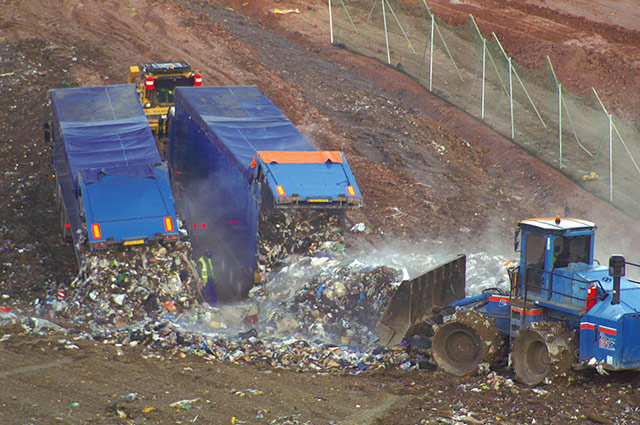
The management of waste is a topic that impacts every individual, yet a surprising number of myths and false beliefs exist around it. Many people believe that the recycling process is the only important aspect of waste management, while some think that their individual efforts do not make a significant impact. In reality, efficient waste management is vital not just for the ecosystem, but also for companies and communities as a whole. Grasping the facts can empower individuals and groups to make informed decisions and adopt eco-friendly practices.
In this piece, we will debunk common waste management misconceptions and provide you with critical knowledge to traverse this challenging field. From comprehending the ecological impact of ineffective waste management to exploring modern solutions, we will address everything you must to know to improve your practices at home and in your company. Whether you are merely starting out or seeking to enhance your current waste management strategy, we have the knowledge and guidance you need to make a positive impact.
Modern Waste Management Solutions
In the current fast-paced world, optimal waste management solutions are increasingly crucial than before. With growing waste generation and a increased focus on sustainability, innovative approaches are being developed to handle waste efficiently. Contemporary waste management utilizes technology, enabling businesses and communities to improve waste collection, sorting, and recycling processes. This advancement enhances operational efficiency while reducing environmental impact, making it more convenient to track and manage waste.
One significant solution revolutionizing waste management is the use of smart bins equipped with sensors. These bins can check fill levels and optimize collection routes, reducing transportation costs and pollution. Moreover, digital platforms now facilitate real-time data analysis, enabling waste managers to make informed decisions about resource allocation and waste reduction strategies. Such improvements not only boost efficiency but also encourage a responsible approach to waste handling.
Additionally, circular economy principles are increasingly being integrated into waste management practices. This approach focuses on minimizing waste by reusing materials and encouraging recycling, thus extending the lifecycle of products. Businesses and governments are adopting policies that encourage sustainable packaging and materials management, which in unison contribute to minimizing landfill waste and conserving resources. By focusing on these contemporary solutions, we can cultivate a healthier environment and boost economic growth through enhanced sustainable practices.
The Significance of Effective Waste Management
Efficient waste management is vital for ensuring public health and safety. Inadequate waste handling can lead to public health issues, such as the propagation of diseases and tainting of water supplies. By adopting suitable waste management practices, businesses and communities can mitigate these risks, ensuring a safer environment for all. Moreover, a well-designed waste management system plays a significant role in lessening pollution and improving the overall quality of life.
Moreover, adequate waste management provides to economic benefits. Businesses that prioritize waste reduction can cut disposal costs, improve operational efficiency, and increase their profitability. In addition, adopting sustainable waste management practices can enhance a company's reputation and attract green-minded consumers. Committing in modern waste management solutions often results in long-term savings, making it a wise decision for organizations.
In conclusion, adequate waste management supports the sustainability of our environment. It helps conserve natural resources by encouraging recycling and responsible disposal of materials. By cutting down waste, we can lessen the strain on our landfills and lower greenhouse gas emissions associated with waste decomposition. This is particularly crucial in the context of climate change, as efficient waste management contributes to a closed-loop economy, where materials are reused and recycled, creating a viable system that benefits both the planet and coming generations.
Waste Handling Practices for Companies
Successful waste management strategies are essential for businesses looking to reduce costs and improve sustainability. By conducting waste audits, organizations can recognize the kinds and volumes of waste generated. This understanding allows for the development of waste elimination strategies, leading to enhanced efficiency. Furthermore, encouraging employees in waste management initiatives cultivates a culture of environmental responsibility, encouraging practices such as upcycling and effective waste disposal.
Implementing a comprehensive waste management framework not only addresses compliance with standards but also minimizes environmental impact. Businesses should focus on eco-friendly packaging solutions and explore partnerships with expert waste management services. These providers can offer expertise in managing toxic waste responsibly and help companies formulate a tailored strategy that fits their specific needs. By emphasizing https://financialmanagementcornwall.co.uk/best-wealth-management-cornwall/ , businesses can also strengthen their brand image and appeal to environmentally-conscious consumers.
As part of a larger strategy, companies should also consider the role of technology in waste management. Innovative solutions such as connected waste bins designed with sensors can improve collection routes, minimizing costs and emissions. Additionally, insightful approaches can help businesses track their waste generation and recycling rates over time, enabling continuous improvement. Utilizing these advanced strategies leads to a more effective operation, aligning with global sustainability goals and benefiting the environment.