

With the rising demand for energy saving solutions grows, heat pumps have emerged as a well-liked alternative for residential heating and cooling. These innovative systems leverage the principles of thermodynamics to shift heat from the outside to the indoors or vice versa, providing a versatile climate control solution. With progress in technology and an growing focus on sustainability, homeowners are progressively eager about how heat pumps work, their benefits, and whether they are the suitable choice for their homes.
In this article, we will examine all aspects of heat pumps, including their efficiency compared to traditional HVAC systems, the ideal installation practices, and how they operate in varying climates. We will also look into the environmental advantages of using heat pumps, the likely financial savings on energy bills, and the various types on the market today. Whether you are considering a heat pump for a new construction or a renovation project, our guide will provide useful insights to help you make an wise decision.
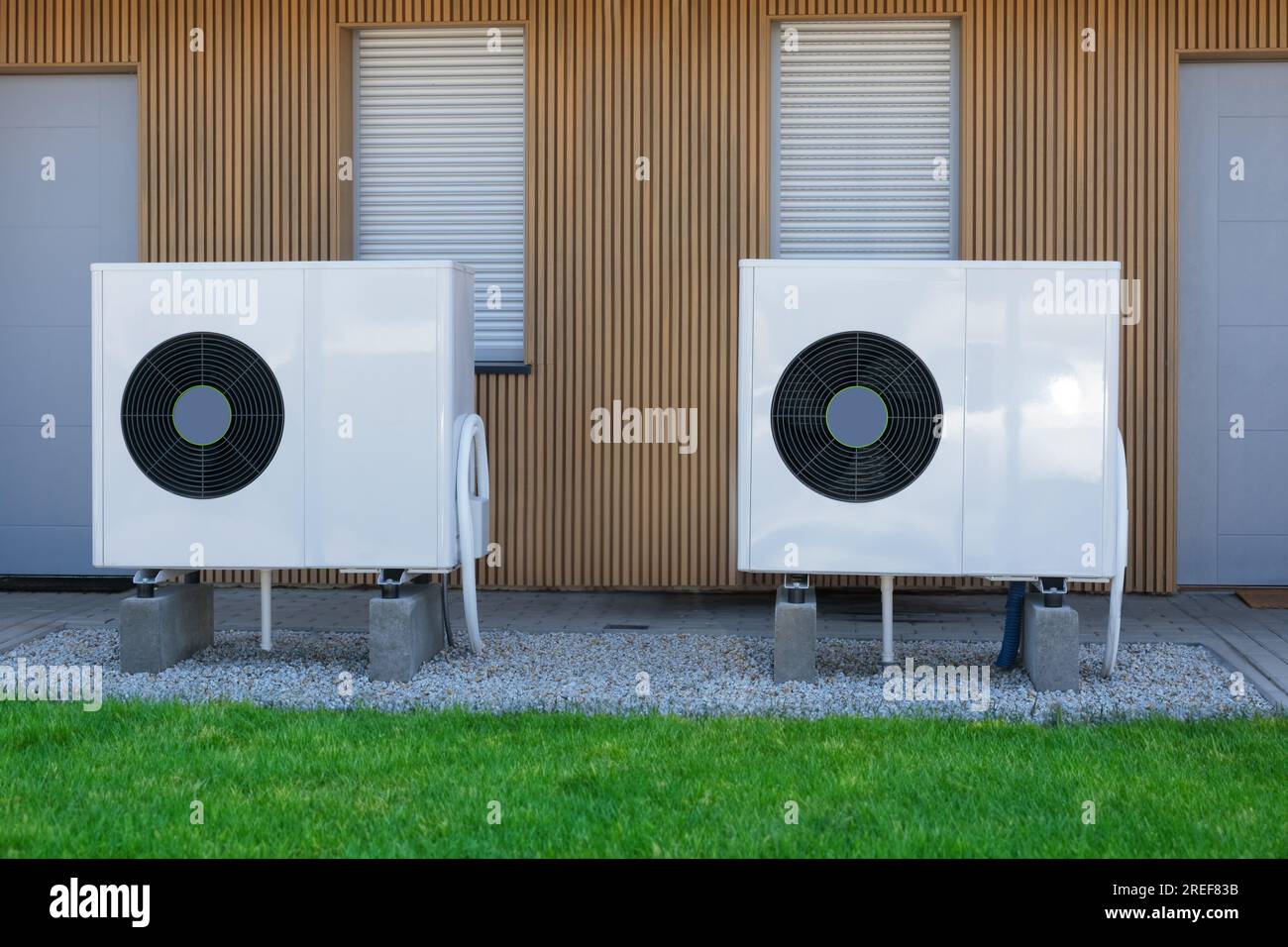
Comprehending Heat Pumps
Heating pumps are flexible heating and cooling systems that transfer heat from one place to a different location, making them an efficient alternative to traditional HVAC solutions. They function on a basic principle: by removing heat from the atmosphere, ground, or water and transporting it inside during the winter, and reversely in the warm months. This procedure significantly lowers the power required to maintain pleasant indoor temperatures, leading to decreased energy bills and decreased environmental footprint.
There are different types of heating pumps, including air-based, earth-based, and water source pumps. Air source heat pumps are the most common and are compatible for various climates, while geothermal heat pumps, also known as ground-based heat pumps, take advantage of the earth's stable underground temperature. Each type has its individual installation requirements, efficiency ratings, and costs, which can make comprehending the options available daunting for homeowners.
The efficiency of heat pumps is measured by their coefficient of performance (COP), which shows the ratio of heating or cooling output to the energy consumed. Typically, heat pumps can offer 3 to 4 times the amount of energy consumed, making them much more productive than traditional heating systems like furnaces or electric-powered heaters. As technology advances, heat pumps are becoming an increasingly popular choice for providing sustainable comfort in homes, prompting questions about their function in the upcoming of home heating and cooling systems.
Heat Pump Systems Effectiveness and Functionality
Heat transfer systems are celebrated for their efficiency, often exceeding traditional heating and cooling systems. The heart of their efficiency lies in their ability to move heat rather than create it. For each and every unit of electricity used, a heat pump can supply various units of heating or cooling to your home. This efficiency is measured using the Coefficient of Performance (COP), which shows that heat pumps can achieve levels of 3 or more, meaning they create threefold the quantity of energy they require.
Performance can differ based on surrounding factors, such as ambient temperature and humidity. In frigid climates, some heat pumps may find it challenging to draw sufficient heat from the outside air, which can influence their effectiveness. However, modern advancements in heating technology have led to the design of winter-ready heat pumps specifically crafted to preserve functionality even when temperatures decrease considerably. This enhanced reliability allows homeowners in frigid areas, such as Colorado, to view heat pumps as a feasible and efficient option for all-year comfort.
To maximize the efficiency of a heat pump, correct installation and maintenance are essential. An exactly sized unit will function more optimally, while regular servicing can reduce common issues and guarantee optimal performance. Residents can also benefit from smart thermostats and zone control systems to enhance their heat pump's operation, lowering energy bills while providing reliable indoor climate control. By comprehending the details of heat pump functionality, property owners can make wise choices about their heating and cooling options.
Setup and Care Guidelines
When placing a heat pump, it's essential to begin with a thorough assessment of your home's size, insulation, and existing ductwork, if relevant. A reliable heat pump installer will perform a demand calculation to determine the appropriate size and type of system for your specific needs. This ensures best performance and energy efficiency. Additionally, think about the location of the outdoor unit; it should be located away from wind and obstructions to minimize possible issues.
Routine maintenance is essential to maximizing the lifespan of your heat pump. Homeowners should schedule regular inspections with a qualified technician to service the coils, monitor refrigerant levels, and examine electrical components. Furthermore, changing or maintaining filters every 1 to three months can greatly enhance efficiency and indoor air quality. Ensuring the outdoor unit free of leaves and snow will also help ensure airflow and prevent system strain.
It’s crucial to stay attentive for signs that show your heat pump may need servicing or replacement. Unexpected noises, inconsistent temperature control, or a significant increase in energy bills can all indicate underlying issues. If Discover more here is over ten years old and experiencing frequent problems, it may be time to evaluate an upgrade to a more effective model. Investing in a state-of-the-art heat pump will not only enhance comfort but also offer possible savings on energy costs in the long run.